Introduction
When an e-commerce business starts growing, fulfillment becomes an important operational decision. Orders need to be picked, packed, shipped, tracked, and sometimes returned, while inventory must remain organized and available.
At this stage, many businesses consider two main options: managing fulfillment internally or working with a third-party logistics provider.
In-house fulfillment gives a business direct control over its warehouse and daily operations. A 3PL provider, on the other hand, manages fulfillment activities on behalf of the business using an external logistics operation.
Neither option is automatically better for every company. The right choice depends on order volume, inventory requirements, available resources, growth plans, customer locations, and how much operational control the business wants to maintain.
Understanding the differences can help businesses choose a fulfillment model that supports their current needs without creating unnecessary complexity as they grow.

What Is In-House Fulfillment?
In-house fulfillment means that a business manages its own inventory storage and order fulfillment operations.
The company is responsible for securing warehouse or storage space, receiving inventory, organizing products, picking orders, packing shipments, preparing shipping documentation, and managing the day-to-day fulfillment process.
Depending on the size of the operation, an in-house team may also handle returns, product inspection, kitting, labeling, and other value-added activities.
The main advantage is direct control. A business can design its own processes, choose its equipment, manage its employees, and make operational decisions without relying on an external fulfillment provider.
However, this control also comes with responsibility. As order volume and inventory levels increase, the company must continue investing in people, space, equipment, systems, and operational processes.
What Is 3PL Fulfillment?
Third-party logistics, or 3PL, allows a business to outsource some or all of its logistics operations to an external provider.
A 3PL can receive and store inventory, process orders, pick and pack products, prepare shipments, coordinate transportation, and manage returns depending on the services required.
Instead of building an entire fulfillment operation internally, the business uses an existing logistics operation and pays for the services it needs.
This model can be particularly useful for e-commerce businesses that are growing quickly, selling through multiple channels, shipping internationally, or operating in markets where maintaining their own warehouse would be difficult.
The exact services and pricing structure vary between providers, so businesses should evaluate a 3PL based on its actual capabilities rather than assuming every provider offers the same solution.
Key Differences Between 3PL and In-House Fulfillment
The biggest difference between the two models is who is responsible for operating the fulfillment infrastructure.
With in-house fulfillment, the business manages the warehouse, employees, equipment, processes, and daily fulfillment activities itself.
With 3PL fulfillment, the logistics provider manages the operational side while the business focuses on its products, sales channels, customers, and growth.
Control is another important difference. In-house operations generally provide more direct control over processes and warehouse activities. A 3PL provides less direct control but can reduce the amount of logistics management required from the business.
Cost structure can also differ. In-house fulfillment requires investment in space, staffing, equipment, systems, and ongoing operating expenses. A 3PL generally converts more of these logistics costs into service-based expenses.
Scalability is another major consideration. A 3PL may allow a business to increase or decrease fulfillment capacity without having to redesign its entire internal operation.

Cost and Operational Considerations
Cost is often one of the first factors businesses consider, but comparing only the fulfillment fee can produce an incomplete picture.
An in-house operation may appear less expensive when order volume is low, especially if a business already has suitable space and staff. However, the full cost can include rent, utilities, warehouse equipment, labor, packaging supplies, software, insurance, management time, and ongoing maintenance.
A 3PL may charge for services such as receiving, storage, pick and pack, packaging, and shipping. These costs should be evaluated together with the infrastructure and labor that the business would otherwise need to provide itself.
Management time is also a real operational cost. Running fulfillment internally requires someone to monitor inventory, manage staff, solve warehouse issues, coordinate shipments, and maintain processes.
The most useful comparison is therefore the total cost of operating each model, not simply the price of one fulfillment service.
When In-House Fulfillment Makes Sense
In-house fulfillment can make sense for businesses that have relatively predictable operations, sufficient warehouse space, and a team capable of managing fulfillment efficiently.
It may also be appropriate when products require highly specialized handling or when a business needs very direct control over every part of the fulfillment process.
Businesses with unique packaging requirements, frequent product customization, or highly specialized workflows may prefer to keep certain operations internally.
However, the decision should be reviewed as the company grows. A fulfillment model that works well with a small number of daily orders may become difficult to manage when order volume, inventory, and sales channels increase.
Businesses should regularly evaluate whether their existing warehouse operation is still efficient, scalable, and cost-effective for their current stage of growth.
When a 3PL Makes Sense
A 3PL can be a strong option when fulfillment is taking too much time or internal resources away from the core business.
It can also make sense when a business needs additional warehouse capacity, wants to expand into another market, manages inventory in multiple locations, or experiences significant changes in order volume.
International e-commerce businesses may benefit from a 3PL that can coordinate warehousing, fulfillment, freight, and shipping as part of a broader logistics operation.
Another advantage is flexibility. Instead of committing to a large internal warehouse operation, a business can use external fulfillment capacity that can adapt as inventory and order requirements change.
For growing businesses, the ability to focus internal resources on product development, marketing, sales, and customer experience can be just as important as the direct logistics savings.
Which Fulfillment Model Is Right for You?
The right fulfillment model depends on how your business operates today and where you expect it to go next.
In-house fulfillment may be suitable when you need maximum operational control, have the infrastructure and staff to manage fulfillment efficiently, and have a workflow that is unlikely to change significantly.
A 3PL may be more suitable when you want to reduce the operational burden of fulfillment, access established logistics infrastructure, support growth, or expand into new markets without building additional warehouse capacity yourself.
Some businesses also use a combination of both models. Certain products or specialized operations may remain in-house while standard inventory and customer orders are handled by a 3PL.
The important thing is to choose a fulfillment structure that matches your actual requirements rather than simply following what works for another business.
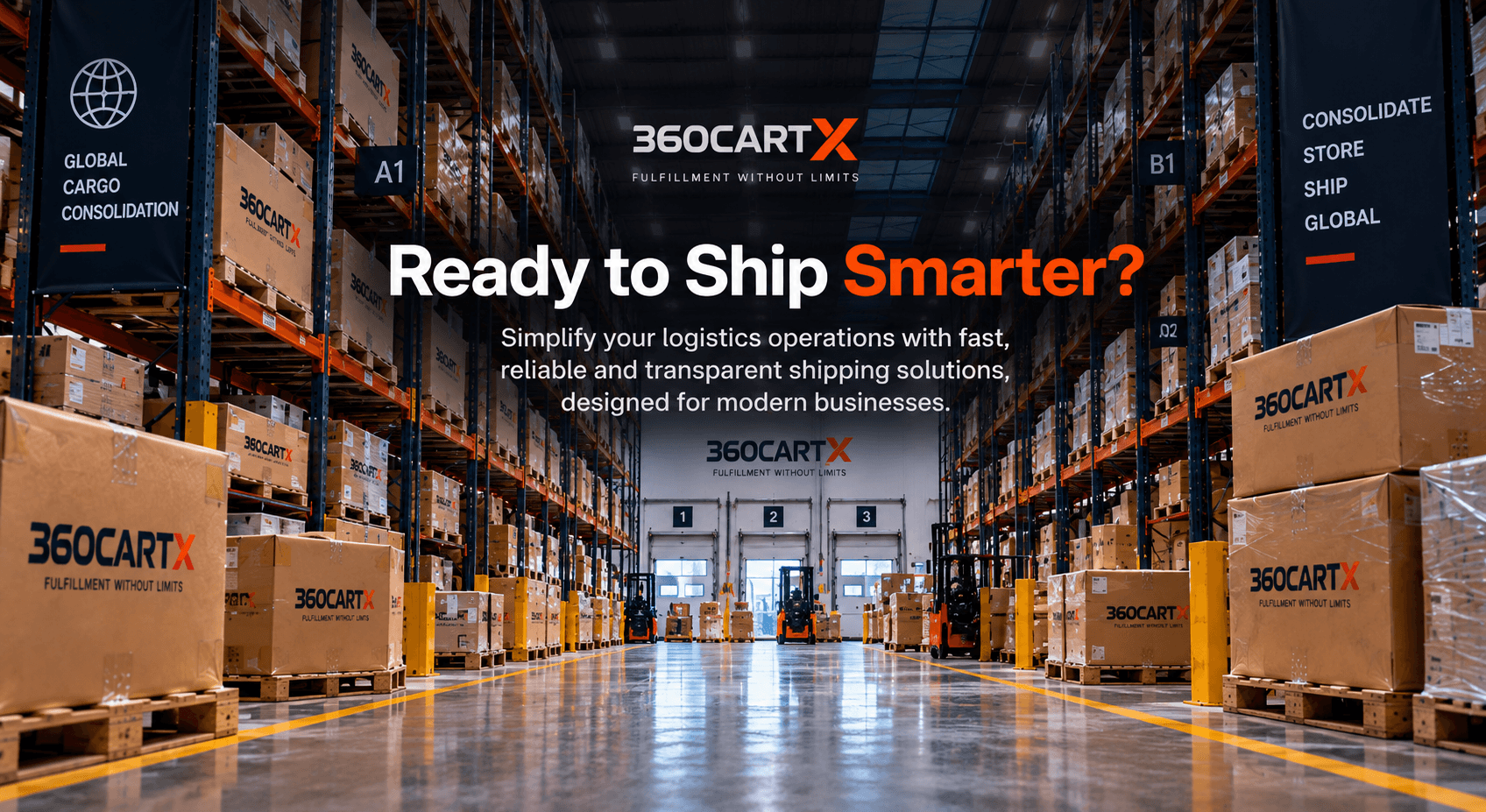
360CARTX provides warehousing, fulfillment, pick and pack, freight and shipping, returns management, FBA preparation, cargo consolidation, and dropshipping fulfillment for businesses looking for flexible logistics support as they grow.
Suggested Blog