Introduction
For an e-commerce business, getting an order is only the beginning.
After a customer clicks the buy button, a series of logistics steps must happen behind the scenes before the package reaches its destination. Inventory needs to be available, the correct products must be picked, the order must be packed properly, and the shipment must be handed to the right carrier.
A reliable fulfillment process connects all of these steps into one organized operation.
Understanding how e-commerce fulfillment works can help business owners identify where delays happen, reduce unnecessary costs, and choose the right fulfillment model as their business grows.

Step 1: Receive and Store Inventory
Every fulfillment process starts with inventory.
When products arrive at a fulfillment facility, they need to be received, checked, identified, and placed into an organized storage location.
The receiving process typically includes:
Receiving products from suppliers or manufacturers.
Checking quantities and product condition.
Identifying products and SKUs.
Recording inventory information.
Placing products in their assigned storage locations.
Accurate receiving is important because fulfillment accuracy begins with knowing exactly what inventory is available and where it can be found.
Step 2: Process the Customer Order
Once a customer places an order through an online store or marketplace, the order needs to reach the fulfillment operation.
The order information normally identifies:
• The products requested
• Quantities
• Customer shipping information
• Required shipping service
• Any special fulfillment instructions
The fulfillment team then prepares the order for the next stage.
For businesses selling through multiple channels, keeping orders organized is especially important. A reliable process helps reduce problems such as missing information, duplicate orders, or incorrect fulfillment instructions.
Step 3: Pick the Products
Picking is the process of locating and collecting the products required for a customer order.
Depending on the size and complexity of the fulfillment operation, different picking methods may be used:
• Single-order picking — products are picked for one order at a time.
• Batch picking — products for multiple orders are collected together.
• Zone picking — warehouse areas are divided into zones and workers handle products within specific areas.
The right method depends on factors such as order volume, SKU count, warehouse layout, and product characteristics.
Picking accuracy is critical because selecting the wrong product can result in incorrect deliveries, additional shipping costs, and customer dissatisfaction.
Step 4: Pack and Prepare the Order
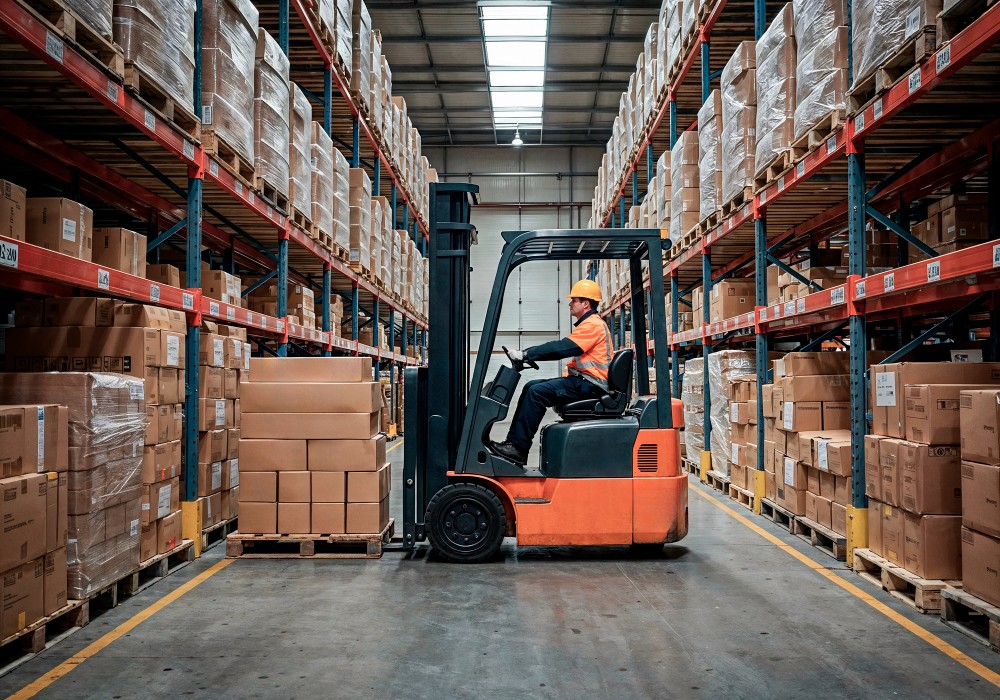
After the correct products have been picked, the order moves to the packing stage.
A typical packing process includes:
Verifying the selected products.
Choosing suitable packaging.
Protecting the products for transportation.
Adding required documents or inserts.
Applying the shipping label.
Preparing the package for carrier collection.
Good packaging should protect the product while keeping the shipment practical for transportation.
Depending on the business, fulfillment may also include additional services such as kitting, bundling, repackaging, relabeling, or product inspection.
Step 5: Ship the Order
Once an order has been packed and labeled, it is ready to leave the fulfillment facility.
The shipping process generally involves:
Selecting an appropriate shipping service.
Preparing the shipment for collection.
Handing the package to the selected carrier or shipping provider.
Recording shipment information.
Making tracking information available where supported.
Shipping decisions can affect both cost and customer experience.
Important factors include:
• Destination
• Package size and weight
• Required delivery speed
• Shipping cost
• Available carrier services
The right shipping solution depends on the product, destination, and requirements of the business.
Step 6: Track and Manage Delivery
After the shipment leaves the fulfillment facility, the order enters the delivery stage.
Tracking information can help businesses and customers understand the progress of a shipment and identify potential delivery issues.
A fulfillment operation may need to manage:
• Shipment tracking
• Delivery updates
• Delays
• Address or delivery issues
• Customer inquiries
Visibility becomes increasingly important as order volume grows. Businesses need a clear way to understand what has been fulfilled, what has shipped, and which orders may require attention.
Step 7: Manage Returns and Improve the Process
Fulfillment does not always end when an order is delivered. Some products will be returned, and those returns need to be processed as part of the overall logistics cycle.
A typical returns process can include:
Receiving the returned package.
Inspecting the product and its condition.
Determining whether the product can be restocked.
Repackaging or relabeling when necessary.
Updating inventory records.
Preparing the product for resale, replacement, or another required outcome.
Businesses should also review fulfillment performance regularly.
Tracking recurring errors, delays, inventory discrepancies, and return issues can reveal opportunities to improve the operation.
A strong e-commerce fulfillment process is not simply about shipping orders quickly. It is about creating a reliable system that keeps inventory, orders, shipments, and returns organized as the business grows.
Suggested Blog